
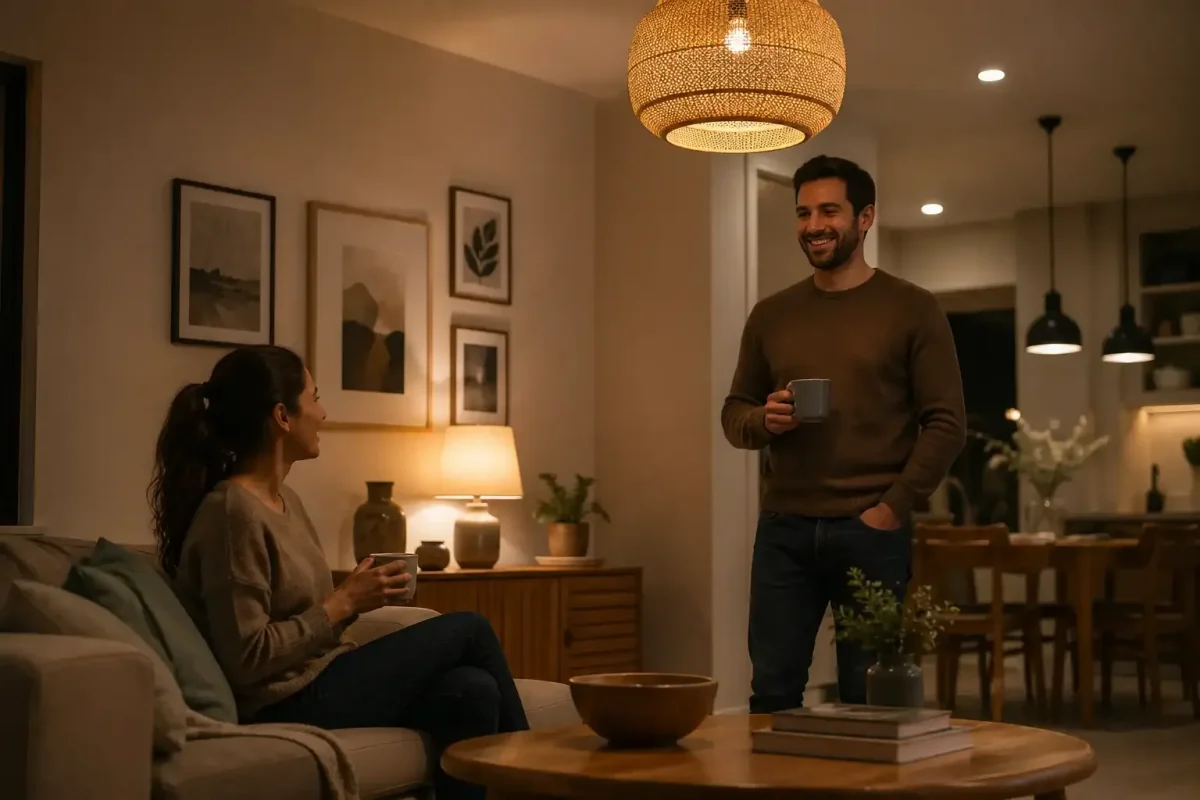
Lighting is one of the most important elements in a home, yet it is often overlooked. When designing a space, most people focus on furniture, wall colors, or decorations. Everything looks complete during the day, but once evening comes, something feels slightly off.
The space may look dull, heavier than expected, or simply not as inviting. You might try adjusting small things—moving furniture or changing decor—but the feeling does not improve. What you are actually noticing is the lighting.
The Lighting Detail Everyone Misses
Good lighting does more than brighten a room. It shapes the atmosphere and affects how comfortable a space feels. A well-designed room can still feel incomplete if the setup is not right.
Many homes rely on a single overhead light. While it may be practical, it often creates harsh shadows and uneven brightness. Some areas become too bright, while others feel dim and disconnected.
Layered lighting creates a better balance. Combining ambient, task, and accent elements helps distribute light evenly while adding depth. Once you begin to notice it, you start to understand how much it influences your daily experience at home.
When Lighting Makes a Room Feel Off
Lighting brings a room together, but it is often only noticed when something feels wrong. A bulb that is too cool can make a space feel cold and uninviting. A fixture placed too high may leave certain areas in shadow.
These details seem small, but they impact how you move, rest, and focus throughout the day. You may feel less relaxed in your living room or less focused in your workspace without realizing why.
Proper lighting removes that subtle discomfort. It creates a sense of balance, making the room feel more complete and easier to live in.
Each Room Needs Different Lighting
Every room has different needs when it comes to lighting. Understanding this helps create a more functional and comfortable home.
The kitchen benefits from bright and clear illumination to support daily tasks like cooking and cleaning. The bedroom, on the other hand, needs softer and warmer tones to help your body relax and prepare for rest.
Living rooms require flexibility. Brighter lighting may be useful during the day, while softer tones work better in the evening. Hallways need enough illumination for safe movement, while outdoor areas benefit from a setup that feels secure and welcoming.
When everything is adjusted to match each space, your home begins to feel more natural and balanced, supporting your routine, improving comfort, and enhancing the overall atmosphere every single day.
Plan Your Lighting From the Start
Every room in your home requires a different lighting approach.
Lighting should be considered early in the design process, not added as an afterthought. Planning ahead allows each light source to support how the space will be used.
Think about your daily routine. Where do you need focus? Where do you want to relax? Where should the atmosphere feel calm and quiet?
At Home Style, lighting solutions are designed to support both comfort and function. From LED downlights and pendant lights to chandeliers, wall lights, ceiling fans, and outdoor fixtures, each element works together to create a cohesive environment.
By choosing the right setup from the beginning, you create a home that feels consistent, comfortable, and easy to live in—day and night. You can also layer light levels to adapt throughout the day, using brighter tones for productivity and warmer tones for relaxation. Dimmers and smart controls make it easier to adjust intensity based on your needs, giving you more flexibility without changing fixtures. Over time, this thoughtful approach supports both your routine and overall well-being.